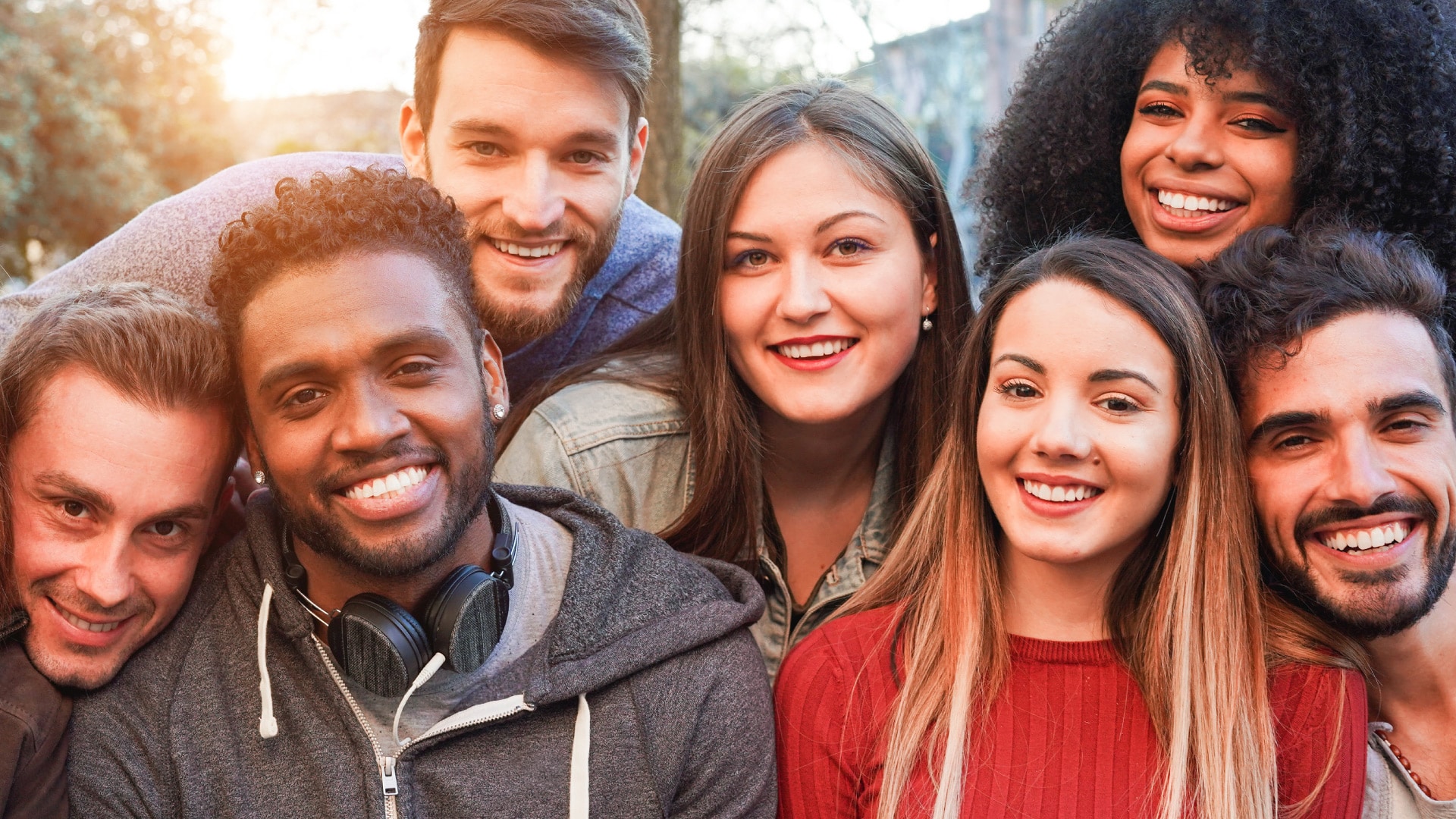

Social venues change to meet the needs of their customers. As people’s lifestyles shift, venues must update their space, services, and events. These changes help businesses stay relevant and attract new guests.
Changes in Social Preferences
Many people want healthier options today. They drink less alcohol or avoid it entirely. This shift leads to new types of social places. For example, some venues now focus on offering non-alcoholic drinks and snacks.
Venues also update the atmosphere. People prefer relaxed, friendly spaces over loud, crowded clubs. Comfortable seating and quieter music help create this mood. Some venues even add outdoor areas or green spaces to improve the experience.
Tech Integration
Technology helps venues serve customers better. Many places use apps to book tables or order food and drinks. This saves time and reduces wait staff needs. Digital menus and contactless payments also improve safety and ease.
Virtual events became popular after recent global events. Some venues offer hybrid gatherings, combining in-person and online attendance. This approach lets more people join and expands social options.
The Rise of Alcohol-Free Venues
Alcohol-free social venues gain popularity. They provide a space for people who do not drink but still want to socialize. These venues often offer creative mocktails, interesting non-alcoholic beverages, and fun activities.
For instance, alcohol free bars in Fayetteville, NC cater to various groups. They attract people who want to enjoy social life without alcohol. These venues also support those in recovery or with health restrictions.
Flexible Use of Space
Social venues use their space more flexibly today. They host different types of events, such as game nights, art shows, or fitness classes. Flexible layouts allow them to change quickly for different needs.
This approach helps venues fill empty hours and reach new audiences. It allows for a mix of social activities, fitting more lifestyles.
Pros and Cons of These Adaptations
Pros:
- Venues attract wider audiences by meeting different needs.
- Healthier options encourage better lifestyles.
- Technology makes service faster and smoother.
- Flexible spaces increase revenue by hosting varied events.
- Alcohol-free bars create inclusive social environments.
Cons:
- Changes may alienate traditional customers.
- Costs rise to implement new technology and redesign spaces.
- Venues need to train staff for new services and customer expectations.
- Finding the right balance between old and new styles can be difficult.
Examples of Successful Adaptation
Many urban areas show how venues can change well. Coffee shops add spaces for remote work. Bars include quiet corners and board games. Restaurants offer vegan and gluten-free menus.
For a clear example, visit alcohol free bars in Fayetteville, NC. They provide social experiences that fit current health trends. These venues maintain high spirits without alcohol, appealing to a growing audience.
Conclusion
Social venues must keep up with changing lifestyles to thrive. Adapting service, space, and events helps them remain popular. They can better serve their customers by offering healthier options, integrating technology, and creating flexible environments. Such changes strengthen community ties and support diverse social activity needs.